Creating an efficient Pilates class plan ensures that your students have a structured experience and progress in a safe and progressive manner. A well-designed plan not only organizes the sessions, but also allows the instructor to monitor each student’s development, adapting the exercises to their individual needs.
Whether for beginners who are just getting to know the sport or for advanced students looking for more intense challenges, a class plan brings benefits such as better engagement, continuous evolution and more safety in practice. Follow this article to understand how to structure Pilates classes respecting the individuality of the practitioners.
The importance of a structured lesson plan
Pilates class planning should not be done in an improvised manner. Of course, instructors must be prepared to make classes flexible, however, having a pre-planned “script” allows you to maintain the quality of the sessions, respecting the limitations of each student.
A well-defined plan facilitates exercise progression, improves student retention and ensures safety by preventing injuries caused by overloading or improper execution of movements. Another important point is that a well-structured lesson plan contributes to student loyalty.
When practitioners see clear progress and personalized support, they tend to stay longer in the studio. In addition, instructors can better manage their time and organize their classes more efficiently.
How to assess students’ level and personalize classes
Each student comes to the studio with different levels of experience, physical abilities and personal goals. Therefore, the initial assessment is an essential step in personalizing classes.
Identifying individual needs and goals
The first step in creating a Pilates class plan is to understand each student’s needs. A good practice for this is to conduct a detailed medical history at the beginning of the training, gathering information about health history, possible injuries, fitness level and personal goals.

In addition, the instructor can perform practical tests to assess the student’s posture, flexibility and muscular resistance. This diagnosis helps to define which exercises are most suitable for each profile and how to adapt the intensity according to the student’s progress.
Adapting exercises for different physical abilities
Each student has different needs and goals, as we saw in the previous topic, and the lesson plan needs to reflect this. This is where adapting the objectives to different levels comes in , to make the lessons more effective and satisfying.
Therefore, after the assessment, it is important to classify students according to their level of experience: beginner, intermediate or advanced. This allows the lesson plan to be adjusted according to individual needs.
For beginners, it is essential to focus on the basic principles of the method, such as breath control, postural alignment and core strengthening. For intermediate and advanced students, exercises can include a greater range of motion, additional resistance and more challenging combinations.
To achieve this, it is necessary to work with difficulty progression, a continuous process that must accompany the students’ evolution , giving them a sense of progress and motivating them in the long term.
Strategies to maintain progression and engagement
In order for students to stay motivated and continue to improve, the instructor must adopt strategies that ensure variation and progression in classes, as we have briefly discussed. To do this, apply the following strategies.
Alternating between challenges and basic reinforcement
A common mistake is to always maintain the same class structure, without progressive challenges. The ideal is to alternate between already established exercises and new techniques to encourage students to progress. This gradual progression helps to avoid injuries and makes students notice their progress, which generates greater engagement.
It is also a good idea to introduce new stimuli, such as changes in the pace at which exercises are performed or variations on movements that are already known. For example, you can teach students to do an exercise slowly and in a controlled manner, and then repeat the same series at a faster pace. This keeps classes dynamic and motivating.
Use of equipment to diversify classes
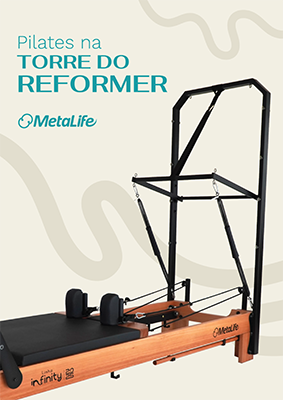
Pilates equipment plays a key role in diversifying classes. The Reformer , for example, allows for adjustable resistance and enables a wide range of exercises. For beginners, it can be used to make the movements easier to perform, while for advanced students, it adds extra challenges.
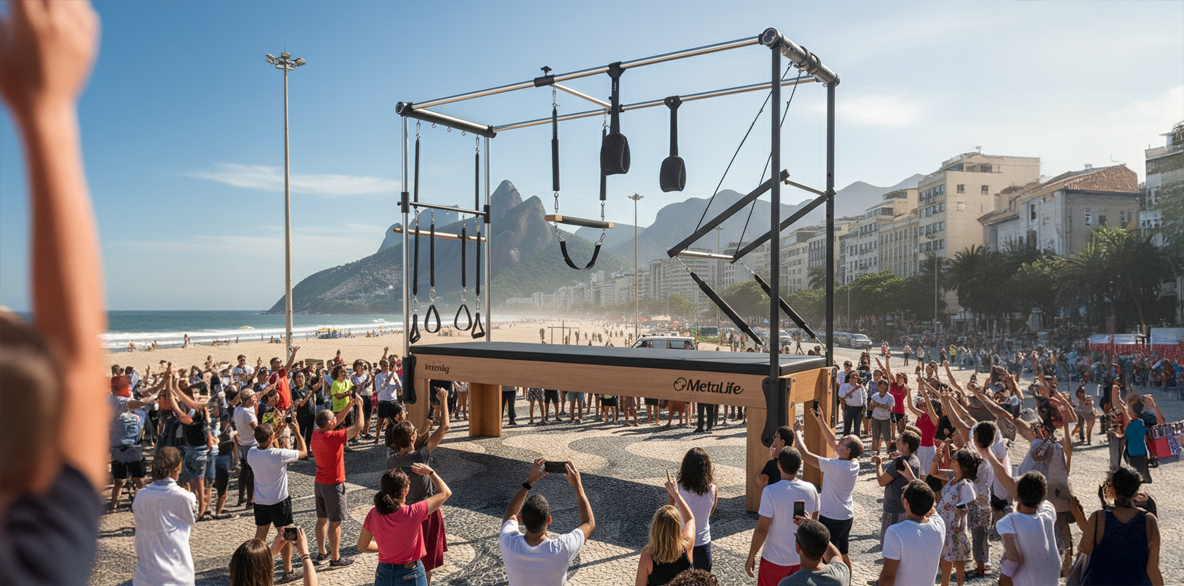
The Cadillac is another option that allows for a variety of exercises that work strength and flexibility in an integrated way, such as the Step Chair , which is also a versatile piece of equipment that contributes to a complete workout, being excellent for strength training and postural control, as it challenges balance and activates deep muscles.
In addition to this professional equipment, accessories such as balls , resistance bands and foam rollers are ideal for enhancing floor exercises. They help to increase body awareness, improve motor coordination and intensify muscle work in a safe way. Incorporating different equipment into the lesson plan ensures variety, encourages student engagement and allows for efficient progression over time.
Creating an effective lesson plan is one of the pillars to ensure student development and the success of your Pilates studio . Properly assessing each student, understanding their difficulties and goals, structuring progressive and diverse classes, and using the right equipment are fundamental strategies to maintain quality teaching.
If you want to equip your studio with the best Pilates equipment and ensure even more efficient classes, get to know MetaLife products . Invest in high-quality equipment and provide a unique experience for your students!